News insights on transportation, housing, and infrastructure
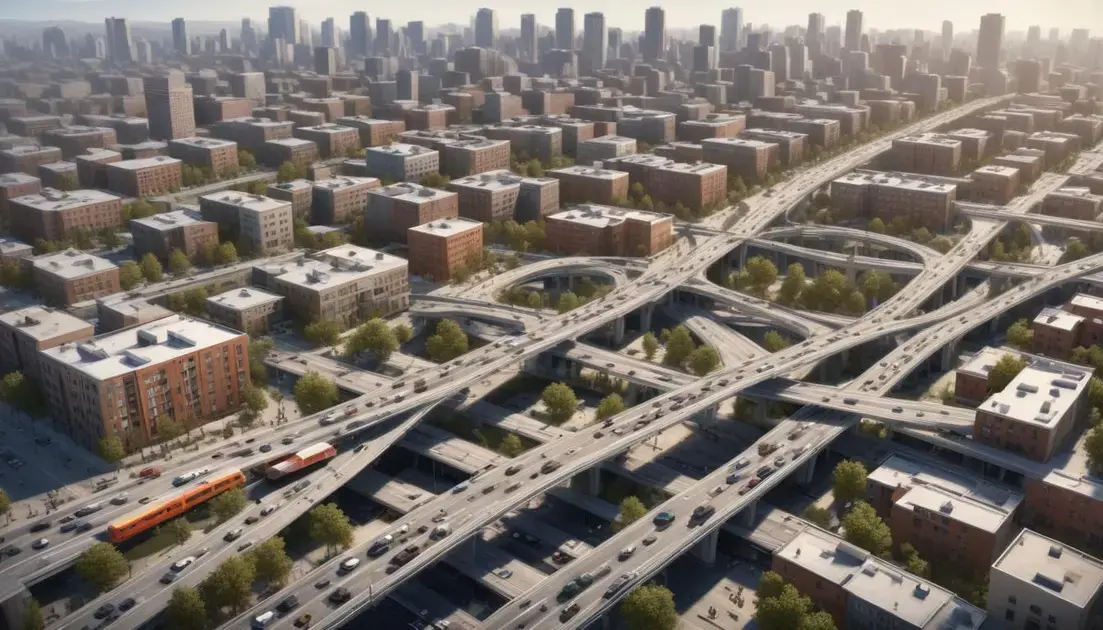
The future of sustainable urban development focuses on green building practices, efficient public transport, and community engagement to create environmentally friendly and livable urban spaces.
News insights on transportation, housing, and infrastructure are crucial in understanding how they influence our daily lives. Ever wondered how new policies affect your commute or housing options? Let’s dive into these topics and see what’s happening in our cities.
Current trends in transportation
Understanding the current trends in transportation is essential for anyone who wants to stay informed about how we move from place to place. These trends shape our cities and lifestyles as they evolve with technology and societal needs.
Emerging Technologies
One major trend is the rise of technology in transportation. Innovations like autonomous vehicles and electric cars are not just futuristic concepts; they are becoming reality. These technologies aim to reduce pollution and improve safety.
Public Transportation Improvements
Many cities are focusing on enhancing public transport systems. This includes expanding subway lines, increasing bus frequencies, and improving accessibility for all users. Better public transport can reduce traffic congestion and foster urban growth.
- New electric buses are environmentally friendly.
- Expanded bike-sharing programs enhance sustainability.
- Improving metro systems increases ridership and lowers costs.
Another key aspect is the shift towards shared mobility. Car-sharing and ride-hailing services make it easier for people to commute without owning a vehicle. This trend not only saves costs for users but also helps reduce the number of cars on the road.
Sustainability Focus
There is a growing emphasis on sustainability in transportation. People are more aware of their carbon footprints and are opting for greener alternatives. This includes walking, biking, or using electric scooters for short trips, reducing the demand for fossil fuels.
As these trends continue to develop, they will shape the future of urban spaces. Collaboration between governments, private sectors, and communities is vital to optimize transportation methods, making them more efficient and sustainable. The combination of technology, increased public transport options, and a strong focus on sustainability will lead to transformative changes that impact everyone.
Impact of housing policies
The impact of housing policies is profound, as they can shape communities and influence people’s lives significantly. These policies dictate how homes are built, who can afford them, and the overall quality of living in our cities.
Affordable Housing Initiatives
One critical area of focus is affordable housing. Many governments implement policies aimed at increasing the availability of homes that are within reach for low- and middle-income families. These initiatives often include incentives for developers to build affordable units, which helps address the growing housing crisis.
Zoning Laws and Regulations
Another important factor is zoning laws. These laws determine land use and can either facilitate or hinder housing development. By reforming restrictive zoning laws, cities can permit greater density and encourage mixed-use developments, which enhance community sustainability.
- Inclusionary zoning can create mixed-income neighborhoods.
- Relaxed regulations can speed up the construction process.
- Flexible zoning encourages community engagement and investment.
Moreover, housing policies influence not just availability but also quality. Policies that require better building standards ensure that homes are safe and durable. This means lower maintenance costs for tenants and owners alike, resulting in a better living environment.
Rental Assistance Programs
Rental assistance programs are also a direct way that housing policies impact individuals. Programs that provide financial assistance to tenants ensure that families can remain in their homes, especially during tough economic times. Such stability leads to healthier communities and stronger local economies.
As we analyze these policies, it becomes clear that their effectiveness relies heavily on local contexts. What works in one city may not fit another due to differing demographics and economic conditions. Hence, continuous evaluation and adjustment of these policies are essential for promoting positive housing outcomes.
Infrastructure challenges in urban areas
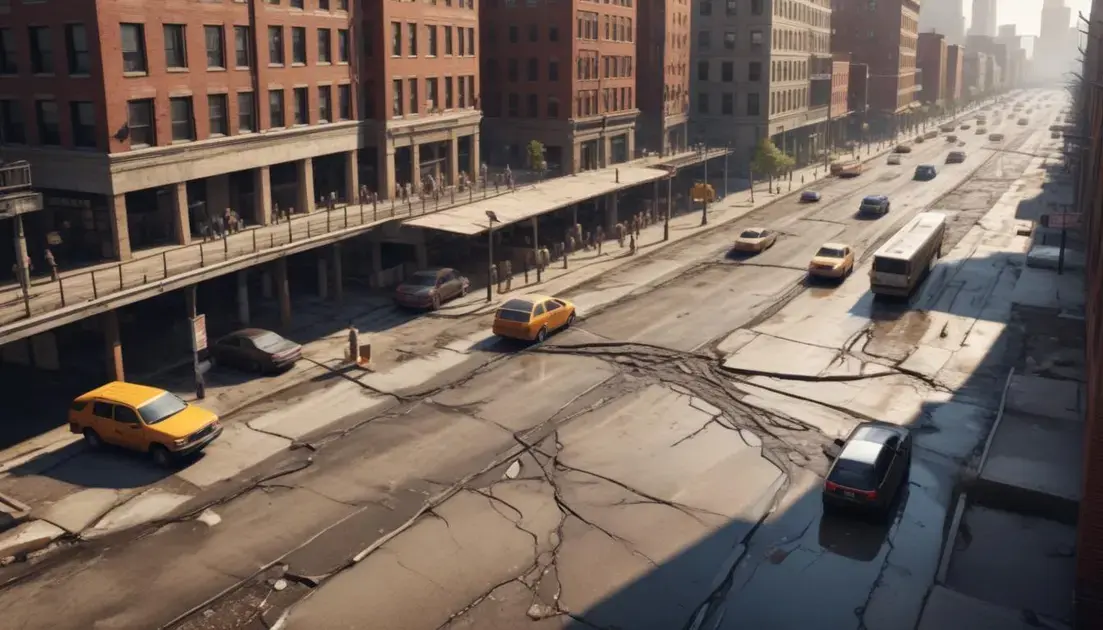
When discussing infrastructure challenges in urban areas, it’s important to recognize how these issues affect daily life. Many cities face aging infrastructure that struggles to keep up with increasing populations.
Transportation Systems
One of the most pressing challenges is the current state of transportation systems. Congested roads and outdated public transit can lead to longer commute times and increased pollution. As populations grow, cities need to innovate and improve these systems to meet the demand.
Water and Sanitation Services
Another challenge pertains to water and sanitation services. Many urban areas contend with outdated pipes and inadequate wastewater treatment facilities. These issues can lead to public health concerns and environmental damage.
- Investing in modern pipes helps prevent leaks and bursts.
- Upgrading treatment plants ensures cleaner water for residents.
- Smart technology can improve monitoring and management.
Additionally, unexpected weather events can pose significant risks to urban infrastructure. Flooding can overwhelm drainage systems that were not designed to handle extreme weather. Therefore, cities must plan for resilience and adaptability in their infrastructure designs.
Affordable Housing Facilities
As urban areas expand, the demand for affordable housing rises, further straining existing infrastructure. Many cities must balance new developments while ensuring they don’t overburden the current systems. This creates a need for a comprehensive approach to city planning that considers housing, transportation, and utilities.
Finally, public engagement is crucial in addressing these infrastructure challenges. Residents must have a voice in the planning process to ensure that their needs are met. Collaborating with the community can lead to enhanced infrastructure that serves everyone more effectively.
Innovations in public transport
Understanding the innovations in public transport is vital as cities strive to meet the needs of their growing populations. These advancements aim to make commuting more efficient, sustainable, and user-friendly.
Electric and Hybrid Buses
One major innovation is the introduction of electric and hybrid buses. These vehicles produce less pollution than traditional buses and can help cities reduce their carbon footprint. Many urban areas are investing in these technologies to promote cleaner air.
Smart Ticketing Systems
Another exciting development is smart ticketing systems. These systems allow passengers to pay for rides using mobile apps or contactless cards, making the boarding process faster and more convenient. This technology often includes real-time updates on schedules and occupancy, which enhances the overall commuting experience.
- Mobile apps provide trip-planning features and real-time updates.
- Contactless payment options reduce wait times and improve efficiency.
- Integrated services allow users to plan multiple modes of transport in one app.
Additionally, the implementation of dedicated bus lanes is transforming public transport in cities. By separating buses from regular traffic, these lanes help to maintain faster and more reliable services. This innovation encourages more people to choose public transit over personal vehicles.
Autonomous Shuttles
As technology advances, the introduction of autonomous shuttles is also on the rise. These self-driving vehicles, often used in areas like university campuses or business districts, provide a convenient way to get around without the need for a human driver. They offer flexibility and can be programmed to adapt to changing traffic conditions, thus improving efficiency.
Overall, these innovations represent significant strides toward creating a more efficient and efficient public transport system. By incorporating sustainable technologies and enhancing user experiences, cities can encourage more residents to utilize public transport and reduce reliance on personal vehicles.
Future of sustainable urban development
The future of sustainable urban development focuses on creating cities that meet the needs of today while ensuring a better quality of life for future generations. This involves careful planning and innovation across various sectors.
Green Building Practices
One of the key components is the use of green building practices. These methods maximize energy efficiency and minimize waste. Buildings designed with sustainability in mind often feature renewable energy sources, like solar panels, and use materials that are sustainable and locally sourced.
Public Green Spaces
Another aspect is the integration of public green spaces. Parks and community gardens provide essential areas for relaxation and social interaction. These green spaces also improve air quality and support local biodiversity, which is increasingly important as cities expand.
- Community gardens encourage urban agriculture.
- Parks enhance neighborhood connectivity and community health.
- Green roofs and walls improve insulation and reduce heat.
Transportation planning plays a vital role in sustainable urban development as well. Cities need to prioritize public transportation, cycling, and walking over car dependency. By implementing efficient public transit systems and bike lanes, cities can reduce traffic congestion and pollution.
Smart City Technology
Adopting smart city technology is also on the rise. This includes using data and technology to manage resources efficiently. Smart lighting, waste management systems, and traffic control can lead to declines in energy consumption and improvements in public safety.
Community engagement is crucial in shaping the future of urban development. When residents are involved in the decision-making process, it leads to solutions that reflect their needs. By fostering collaboration among stakeholders, cities can build environments that thrive sustainably.
FAQ – Frequently Asked Questions about Sustainable Urban Development
What are green building practices?
Green building practices focus on using sustainable materials and energy-efficient designs to reduce environmental impact.
How can public transport innovations help cities?
Innovations in public transport can improve connectivity, reduce traffic congestion, and decrease overall emissions.
Why are public green spaces important?
Public green spaces enhance community interaction, improve air quality, and support local wildlife, contributing to overall urban health.
What role does community engagement play in urban planning?
Community engagement ensures that the needs and preferences of residents are considered, leading to more effective and inclusive urban development.