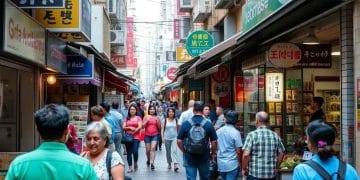
Lifestyle choices shaping urban and suburban living experiences

Lifestyle choices shaping urban and suburban living experiences significantly influence community connections, with urban spaces offering cultural vibrancy and amenities, while suburban areas focus on family engagement and safety.
Lifestyle choices shaping urban and suburban living experiences play a crucial role in how we navigate our daily lives. Have you ever wondered how your environment influences your habits and relationships? Let’s dive into this fascinating topic and discover what makes these choices so significant.
Defining urban and suburban lifestyles
Defining urban and suburban lifestyles involves understanding the distinct characteristics and choices that influence how people live. Urban areas are often bustling with activity and offer a variety of amenities that can shape daily experiences. In contrast, suburban areas tend to provide a quieter lifestyle with more space, making them appealing to families and those seeking a slower pace.
Key Characteristics of Urban Living
Urban living brings opportunities for cultural engagement and connectivity.
- Diverse Communities: Cities are typically home to people from various backgrounds, fostering multicultural interactions.
- Accessibility: Public transportation and walking paths make commuting easier, allowing residents to access jobs and entertainment.
- Entertainment Options: From theaters to restaurants, urban areas provide vibrant nightlife and leisure activities.
People in urban environments may thrive on the energy and conveniences available. They often enjoy a fast-paced lifestyle that includes a mix of work, leisure, and socializing. However, this environment can also lead to challenges such as noise and limited privacy.
Suburban Lifestyle Traits
In contrast, suburban living offers a different kind of appeal. With larger homes and yards, many people find the suburbs provide a more relaxed atmosphere. Access to parks and outdoor spaces is often greater, promoting family activities and community bonding.
- Family-Oriented Communities: Suburbs often attract families looking for safe and quiet neighborhoods.
- Less Congestion: With fewer people, the pace of life is generally slower, reducing daily stress.
- Community Events: Suburban areas often host community gatherings, enhancing neighborly interactions.
In conclusion, understanding the differences between urban and suburban lifestyles can help individuals make informed decisions about where they want to live. Each lifestyle offers unique advantages and challenges that cater to different preferences and life goals.
Key factors influencing lifestyle choices
Key factors influencing lifestyle choices can vary greatly between individuals, especially regarding how urban and suburban living experiences shape daily habits. Various elements play a significant role in determining the way people decide to live, work, and interact within their communities.
Environmental Influences
The environment in which a person lives often sets the tone for their lifestyle. Urban areas provide resources like public transportation, shopping centers, and entertainment options that encourage active involvement in community life. On the other hand, suburban settings offer parks and recreational spaces that attract families and promote outdoor activities.
- Access to Amenities: The availability of restaurants, shops, and cultural events can influence how often people engage with their surroundings.
- Safety and Security: Many people prioritize living in safe neighborhoods, impacting their choice between urban or suburban areas.
- Outdoor Spaces: Access to green spaces can encourage more outdoor activities and a healthier lifestyle.
Social dynamics also heavily influence lifestyle choices. In urban areas, the fast-paced nature of the environment might lead to opportunities for networking and collaboration. This can foster connections and relationships that shape one’s social circles.
Cultural and Economic Factors
Cultural backgrounds also affect how individuals perceive lifestyle choices. Different cultures may prioritize community engagement, family time, or career development uniquely. Understanding these perspectives is important in a diverse setting.
- Income Levels: Economic conditions play a crucial role in what lifestyle choices are available to individuals and families.
- Job Opportunities: Higher career prospects in urban areas can attract individuals seeking professional growth.
- Education Access: Proximity to quality educational institutions can shape family decisions on where to live.
All these factors combined highlight how interconnected our environments and choices are. Understanding what influences our lifestyles can lead us to make better decisions that align with our values and goals, ultimately enhancing our living experiences. By carefully considering these elements, individuals can create a lifestyle that fits their needs, whether in urban or suburban settings.
Impact of choices on community connection
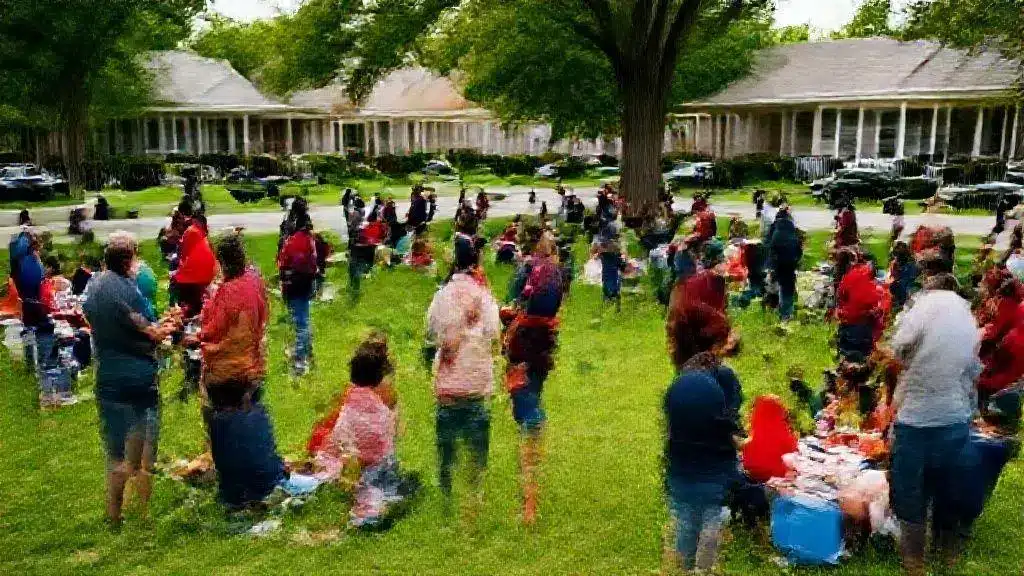
The impact of choices on community connection is significant in both urban and suburban settings. The way individuals choose to live greatly influences their interactions with neighbors and local organizations. Community connection is vital for fostering a sense of belonging and support.
Social Engagement in Urban Areas
In urban environments, residents often engage in a range of social activities that enhance their community ties. Public spaces such as parks, cafes, and cultural events serve as hotspots for interaction. These environments encourage people to meet and connect with others.
- Public Events: Festivals, farmers’ markets, and street fairs bring people together to celebrate and share experiences.
- Shared Spaces: The presence of communal areas encourages conversation and collaboration among residents.
- Community Organizations: Nonprofits and local groups play a crucial role in organizing events that promote social interaction.
Such activities foster a strong community spirit, where individuals feel they belong and are part of something larger. They often find greater satisfaction in their lives when actively participating in community ventures.
Community Connection in Suburban Settings
In suburban areas, community connection can manifest differently. Here, residents may rely on close-knit neighborhoods and family-oriented gatherings to build relationships. Suburbs often have block parties, neighborhood watch meetings, and recreational sports for families.
- Neighborhood Watch Programs: These initiatives focus on safety and encourage interaction among residents.
- Family Events: Activities such as picnics and holiday celebrations can strengthen family bonds and neighborly ties.
- School Activities: Schools often serve as community hubs, involving parents and local residents.
Both urban and suburban communities rely on the choices of their residents to cultivate a sense of togetherness. The willingness to engage in community events and support local initiatives plays a crucial role in enhancing the quality of life for everyone involved. By recognizing the benefits of being connected, individuals can contribute to a vibrant and supportive community.
Trends in urban and suburban living
Trends in urban and suburban living have evolved significantly over the past few years. These trends are shaped by various factors, including technological advancements, social changes, and economic conditions. Both urban and suburban areas are adapting to meet the needs of their residents in new and exciting ways.
Urban Living Trends
In urban areas, there is a noticeable shift towards sustainable living. More city dwellers are opting for eco-friendly practices, which include using public transport, biking, or walking instead of driving. Urban farming has also gained popularity, allowing residents to grow their own food in community gardens.
- Smart Home Technology: Many urban residents are integrating smart devices into their homes to improve efficiency and convenience.
- Co-living Spaces: Shared living environments are on the rise, catering to young professionals seeking affordable housing and community.
- Green Spaces: Cities are transforming underutilized areas into parks and recreational spaces, promoting healthier lifestyles.
These trends not only enhance the living experience but also contribute to a greater sense of community among urban dwellers.
Suburban Living Trends
Suburban living is also seeing changes, particularly as more people seek a balance between work and home life. The pandemic has accelerated the desire for larger living spaces, prompting many families to move away from crowded cities.
- Increased Remote Work: With many companies adopting flexible work arrangements, suburban areas are becoming more appealing to those who can work from home.
- Suburban Development: New housing developments are focusing on family-friendly designs, with easy access to schools and amenities.
- Community-Centric Living: Suburbs are increasingly encouraging community events and local engagements to bring residents together.
This shift in suburban living reflects a desire for comfort and increased quality of life. Residents are prioritizing their well-being, emphasizing spaces that foster community connection and individual happiness.
By understanding these trends, individuals can make informed decisions about where to live and how to create environments that align with their values and lifestyle preferences. Whether in bustling urban centers or peaceful suburbs, the trend towards better living continues to thrive.
Exploring local culture and amenities
Exploring local culture and amenities reveals the unique aspects that define urban and suburban living experiences. Each area has its own way of showcasing local heritage, traditions, and community life that enrich the lives of its residents.
Urban Culture and Amenities
In urban environments, cultural vibrancy is often at the forefront. Cities are hubs of activity, offering a diverse range of amenities that cater to different interests. From art galleries to music festivals, urban areas provide ample opportunities for residents to engage with the arts.
- Art and Music Festivals: Events such as street fairs and music festivals celebrate local talent and culture.
- Diverse Cuisine: Cities often feature a wide array of restaurants showcasing global flavors, allowing residents to explore different culinary traditions.
- Performing Arts: Theaters and concert halls offer shows ranging from Broadway productions to local performances.
These amenities encourage community involvement and create spaces for social interaction, making urban living exciting and dynamic.
Suburban Culture and Amenities
Suburban areas offer a different cultural experience, often centered around community events and family-oriented activities. While the pace might be slower, these amenities foster close-knit communities where residents can connect with one another.
- Local Events: Farmers’ markets, community picnics, and holiday parades provide opportunities for neighbors to gather and celebrate.
- Parks and Recreation: Many suburbs have well-maintained parks that encourage outdoor activities such as sports, jogging, and social gatherings.
- Community Centers: These spaces often host classes and events that promote local culture and foster resident engagement.
The local culture in suburban areas often emphasizes family, safety, and community bonding. Residents value their relationships with neighbors and actively participate in community-driven events.
By embracing their local culture and amenities, urban and suburban residents can enhance their living experiences. Understanding what each environment offers allows individuals to make meaningful connections and appreciate their surroundings fully.
In summary, both urban and suburban living offer unique advantages that cater to different lifestyles. Urban areas are bustling with cultural activities, diverse communities, and a range of amenities. In contrast, suburban neighborhoods tend to promote family-oriented living, community bonding, and quieter surroundings. By understanding these differences, individuals can make informed choices about the environments that best suit their needs and lifestyles. Embracing local culture and amenities in both settings enhances connections with the community and enriches the overall living experience.
FAQ – Frequently Asked Questions about Urban and Suburban Living
What are the main differences between urban and suburban living?
Urban living offers a fast-paced lifestyle with diverse activities and amenities, while suburban living provides a quieter, family-oriented environment with more open space.
How can local culture enhance my living experience?
Engaging with local culture through events and amenities fosters community connections and enriches your daily life by creating opportunities for social interaction.
What amenities should I look for when choosing a neighborhood?
Look for amenities such as parks, community centers, schools, and local businesses that align with your lifestyle preferences and family needs.
How do lifestyle choices impact community connections?
Lifestyle choices, such as attending local events or participating in community activities, strengthen bonds between residents, enhancing the overall community spirit.