Lifestyle trends influencing how Americans balance work and personal life
Lifestyle trends influencing how Americans balance work and personal life include increased flexibility, the adoption of hybrid work models, and the use of technology to enhance productivity and personal well-being.
Lifestyle trends influencing how Americans balance work and personal life are evolving fast. With shifts in work patterns and priorities, many are rethinking how they juggle responsibilities. Have you noticed these changes too?
Understanding the current lifestyle trends
Understanding the current lifestyle trends is essential for grasping how they impact our daily lives. As society shifts, people are adopting new habits that affect both work and personal life.
Shifts in Work Environments
One major trend is the move towards flexible work environments. Many companies are now offering remote work options, allowing employees to design their own schedules. This flexibility leads to better work-life integration.
Health and Wellness Focus
Another important aspect is the growing emphasis on health and wellness. Many Americans are prioritizing physical and mental health, seeking balance through fitness and mindfulness.
- Yoga and meditation are becoming common practices.
- Healthy eating trends are on the rise.
- Regular exercise is now a part of many daily routines.
As people become more health-conscious, they are also more aware of the impact of stress on their lives. Finding ways to manage stress effectively is crucial for maintaining balance. Integrating relaxation techniques into daily routines can significantly improve overall wellbeing.
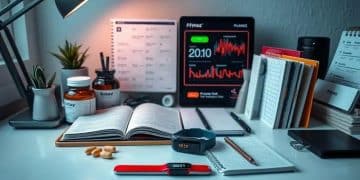
Furthermore, technology plays a vital role in how we adapt to these lifestyle trends. Apps for meditation, exercise, and dietary tracking help individuals stay on course. By utilizing these tools, many report achieving better organization of their time.
Social Connections and Community Building
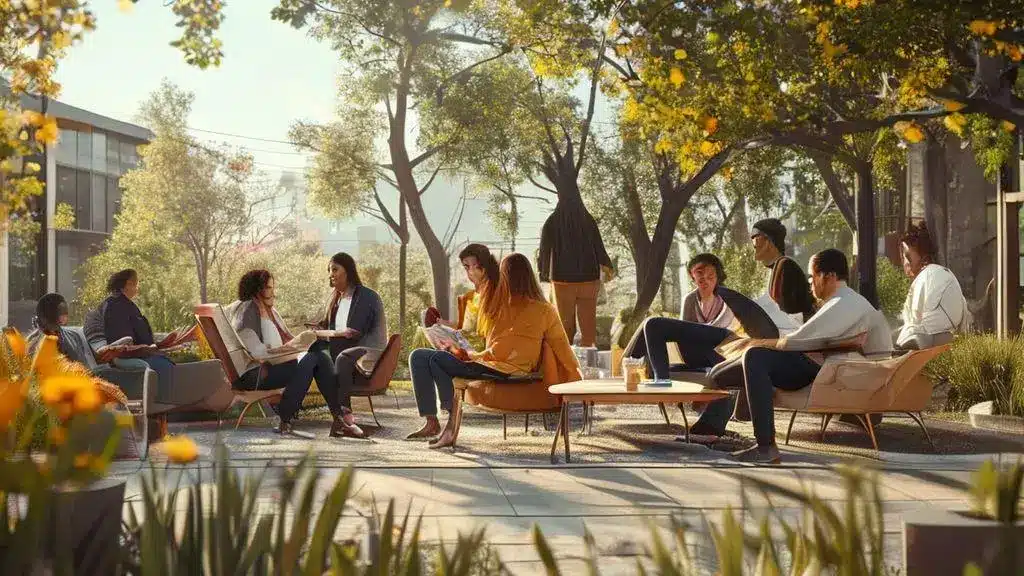
Finally, the desire for meaningful social connections is reshaping lifestyles. People are seeking deeper relationships, often through community groups or online platforms that foster interaction.
- Networking events and local groups facilitate personal connections.
- Online forums provide a sense of belonging.
- Volunteering offers opportunities to connect and contribute.
By understanding these trends, we can better navigate how to balance work and personal life effectively. This knowledge empowers us to make informed choices that enhance our overall quality of life.
Impact of remote work on daily routines
The impact of remote work on daily routines is significant. For many, working from home has changed how they approach both work tasks and personal responsibilities.
Flexibility in Scheduling
One major change is the increase in flexibility. Employees often find that they can tailor their schedules to better fit their personal lives. This flexibility allows for a more balanced approach to both work and personal commitments.
Changes in Work Environment
Many people have adapted to their home environments for work. Creating a dedicated workspace can aid in productivity and help distinguish between personal and work time.
- Personalizing the workspace improves morale.
- Having a dedicated area reduces distractions.
- Setting specific work hours aids time management.
As individuals work in a space they are comfortable in, they often find increased focus and efficiency. This shift can lead to better job satisfaction.
Moreover, the lack of commute time frees up valuable hours in the day. Many are using this extra time for exercise, cooking, or hobbies. This shift promotes a healthier lifestyle, encouraging activities that enhance overall well-being.
Challenges of Remote Work
Despite the benefits, there are challenges too. For instance, the blur between professional and personal time can lead to longer hours worked. Some individuals struggle with staying motivated without the structure of a traditional office.
- Creating boundaries for work hours is essential.
- Staying connected with coworkers helps maintain relationships.
- Scheduling breaks is crucial for mental health.
As we adapt to the new normal, understanding these impacts allows us to find effective strategies for balancing our work and home life. Managing changes in routines is key to thriving in a remote work environment.
Work-life balance strategies that work
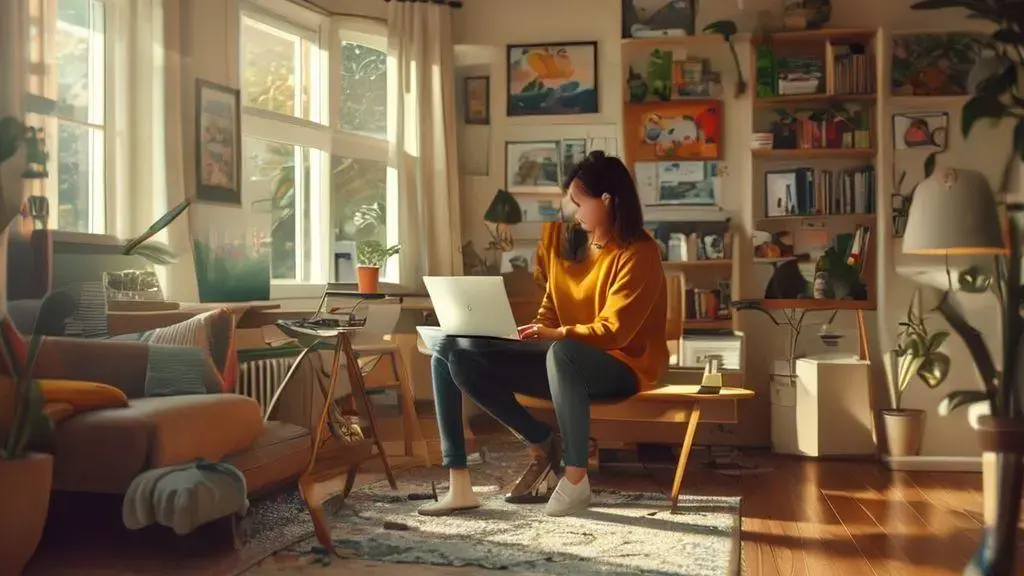
Work-life balance strategies that work can transform how you manage your time. With the right approaches, balancing your professional duties and personal life becomes much easier.
Setting Boundaries
One effective strategy is to establish clear boundaries. This means defining when your workday starts and ends, and sticking to those times. By doing this, you can focus on personal activities without the constant distraction of work.
Prioritizing Tasks
Another key strategy is learning to prioritize tasks. Make a list of what needs to be done each day, and tackle the most important items first. This method helps ensure that you accomplish essential tasks while leaving room for personal time.
- Use a planner to keep track of deadlines.
- Focus on one task at a time to increase efficiency.
- Learn to say no to tasks that overload your schedule.
With better task management, you create space for personal interests and family time, enhancing your overall happiness.
Utilizing Breaks Effectively
Taking regular breaks during your workday can also contribute to better balance. Short breaks allow your mind to recharge, improving productivity and reducing stress. Consider setting a timer to remind yourself to step away from your desk periodically.
- Take short walks to clear your head.
- Practice breathing exercises to reduce stress.
- Engage in quick stretching to relieve tension.
Integrating these practices into your routine can help maintain a healthy work-life balance.
Lastly, make time for activities that energize you. Whether it’s reading, exercising, or simply enjoying nature, dedicating time to these activities replenishes your energy. This balance ultimately leads to a more satisfying and productive life.
Technology’s role in managing personal time
Technology’s role in managing personal time is becoming essential in today’s fast-paced world. With the right tools, people can streamline their daily tasks, creating more space for personal interests and family time.
Using Apps for Time Management
One of the effective ways to manage time is through time management apps. These apps help individuals plan their days and set reminders, ensuring that important tasks are not overlooked.
Digital Calendars
Digital calendars play a vital role as well. By organizing commitments in a central place, users can visualize their schedules and avoid overbooking their time.
- Sync calendars across devices for seamless access.
- Include personal and work commitments for balanced planning.
- Set alerts for important deadlines and appointments.
Using a digital calendar effectively allows for better work-life integration. You can see when you have free time and allocate it for personal activities, enhancing overall satisfaction.
Automation Tools
Another avenue technology offers is automation. Tools can automate repetitive tasks, saving precious time. For example, setting up automatic bill payments or using email filters can reduce the time spent on mundane tasks.
- Automate reminders for upcoming events or deadlines.
- Use smart home devices to control settings with ease.
- Utilize voice assistants to manage tasks hands-free.
As technology evolves, so do the ways it can assist us in managing our time better. Finding the right mix of tools can lead to more free time for leisure activities, family, and self-care.
Furthermore, embracing technology creates opportunities for learning and growth. With information at our fingertips, we can discover new hobbies or skills in our free time, enriching our lives beyond work.
Future predictions for work and lifestyle balance
Future predictions for work and lifestyle balance suggest significant changes as technology and cultural expectations evolve. As remote work continues to become more mainstream, people will likely seek even greater flexibility in their daily lives.
Increased Flexibility
One key trend is the desire for increased flexibility. Many companies are recognizing that employees perform better when they can tailor their work schedules. This shift may lead to custom work hours that fit personal productivity peaks.
Hybrid Work Models
Hybrid work models are expected to gain popularity. A blend of remote and in-office work allows employees to enjoy the best of both worlds. This approach can enhance job satisfaction and overall mental health.
- Employees will choose when to work from home and when to be in the office.
- Companies will invest in technology to support seamless collaboration.
- Work-life boundaries will continue to blur but in a positive context.
As this model evolves, it will encourage greater personal investments in mental health and well-being. Many will prioritize self-care, resulting in a healthier workforce.
Technological Innovations
Moreover, technological innovations will shape how we balance our work and personal lives. From AI scheduling assistants to advanced productivity apps, new tools will emerge to help manage time efficiently.
- Smart devices will integrate more seamlessly into daily routines.
- Health tracking apps will guide daily activity and wellness choices.
- Virtual reality may offer creative solutions for remote team collaboration.
These advancements will empower individuals to take charge of their time and enhance their quality of life. People will have the resources to create a lifestyle that suits their unique needs.
Furthermore, as workplace norms shift, there will be a growing emphasis on personal fulfillment. Employees will increasingly seek roles that align with their values and passions. This change will foster a culture where work is not just a means to an end but a part of a holistic lifestyle approach.
In conclusion, understanding the trends impacting work and lifestyle balance is crucial in today’s world. As remote work and technology continue to evolve, so do our approaches to managing time. People are increasingly seeking flexibility, prioritizing their health, and using technology to enhance their productivity. By adapting to these changes, we can create a more harmonious life that values personal fulfillment alongside professional responsibilities. Embracing innovation will further enable us to enjoy both work and personal time, leading to a satisfied and balanced life.
FAQ – Frequently Asked Questions about Work-Life Balance Trends
What are some effective strategies for achieving work-life balance?
Effective strategies include setting clear boundaries, prioritizing tasks, and utilizing time management apps to stay organized.
How does technology impact our work-life balance?
Technology can help streamline tasks and provide tools for better time management, allowing for more personal time and reduced stress.
What role does flexibility play in a balanced lifestyle?
Flexibility allows individuals to arrange their schedules in a way that accommodates both work responsibilities and personal interests, enhancing overall satisfaction.
Why is personal well-being important in work-life balance?
Personal well-being is crucial because it affects productivity and happiness; prioritizing health leads to better performance both at work and in personal life.