Top Lifestyle Trends in the U.S. 2026: what to adopt now
Top Lifestyle Trends in the U.S. 2026: Healthy Living, Remote Work, and Minimalism prioritize daily, affordable habits—consistent sleep, short movement breaks, hybrid work routines, intentional tech use, and simplified consumption—to boost energy, focus, financial clarity, and lower stress in practical, testable steps.
Top Lifestyle Trends in the U.S. 2026: Healthy Living, Remote Work, and Minimalism are shifting how people plan their days and design homes. Curious which small changes actually improve mood, productivity or your wallet? Read on for practical, testable ideas you can try this year.
Healthy living: practical daily habits and emerging wellness trends
Top Lifestyle Trends in the U.S. 2026: Healthy Living, Remote Work, and Minimalism highlight simple daily choices that improve energy and mood. This section shows practical habits and fresh wellness trends you can try today.
Focus on small wins: sleep, movement, and food that fuel you. Pick one habit and build on it each week.
Daily habits that stick
Start with routines that are easy to keep. Consistency matters more than intensity. Short, repeatable actions add up fast.
- Move often: two 5–10 minute walks or stretches during the day.
- Sleep hygiene: set a regular bedtime and dim screens an hour before sleep.
- Simple meals: balance protein, vegetables, and whole grains at each meal.
These small steps support mood and focus. They are low-cost and fit most schedules. Try tracking one habit for seven days to see the impact.
Emerging wellness trends to try
New trends focus on personalization and small doses. Micro-workouts, modular meal plans, and mental health check-ins are rising now.
- Micro-workouts: quick strength or mobility moves you can do at home.
- Personalized nutrition: simple tweaks like timing meals or adding fiber to feel fuller.
- Digital therapy and breathwork: short guided sessions to reduce stress.
Not every trend fits everyone. Test one trend for a month and note changes. Combine trends with basic habits for better results.
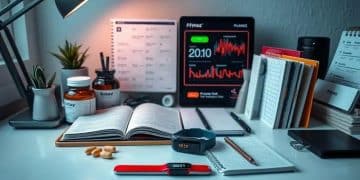
Tech can help, but it should not overwhelm. Use a smartwatch for reminders, an app for sleep tracking, and a simple journal to record wins. Keep tools that make healthy living easier, not busier.
Make changes in pairs: a movement break plus a hydration habit, or a sleep routine plus a 5-minute evening unwind. Small combos create momentum without adding stress.
By mixing steady daily habits with selective wellness trends, you build a routine that feels natural. Focus on what improves your energy and fits your life, and adapt as you learn.
Remote work evolution: routines, tech and hybrid models that stick
Top Lifestyle Trends in the U.S. 2026: Healthy Living, Remote Work, and Minimalism are changing how people design workdays. This section focuses on how remote work routines, simple tech choices, and hybrid models can create lasting balance.
Small, repeatable habits and clear boundaries make remote work feel steady, not scattered. Try one change at a time and note what improves your focus.
Routines that boost daily focus
Build a start-up routine that signals the brain it’s work time. Short rituals help shift from home mode to work mode.
- Consistent start time: begin work with a quick plan or a 5-minute checklist.
- Two short movement breaks: walk or stretch mid-morning and mid-afternoon.
- Clear end ritual: close laptop, write tomorrow’s top task, then step away.
These habits reduce decision fatigue and keep energy steady. They also make it easier to switch between tasks.
Tech that supports focus, not distraction
Pick a few tools that solve real problems. Avoid piling on apps that create more notifications than value.
- One main calendar for meetings and focused work blocks.
- Simple task manager with three priority items per day.
- Quiet-mode settings on phone and laptop during focus time.
Use tech to automate small tasks and to remind you to take breaks. Keep notifications minimal and meaningful.
Hybrid schedules work best when roles and days are clear. Agree on which days are for deep work at home and which are for collaboration in person. This predictability reduces last-minute stress and helps teams plan focused sessions.
Healthy boundaries matter: share your core hours with colleagues and set expectations for response times. This keeps work from spilling into evenings and protects personal routines that support sleep and mood.
Short experiments help find the right mix. Try a two-week trial of strict focus blocks, or test a three-day office cadence. Track how your energy and output change and adjust what you keep.
Managers can help by modeling routines and by keeping meetings purposeful. Fewer, shorter meetings and clear agendas make hybrid time more productive for everyone.
Pair smart habits with simple tech and clear hybrid norms to make remote work sustainable. Small routines and mindful tool use lead to better focus, less burnout, and more control over time.
Minimalism and mindful consumption: simplify finances, closet and habits
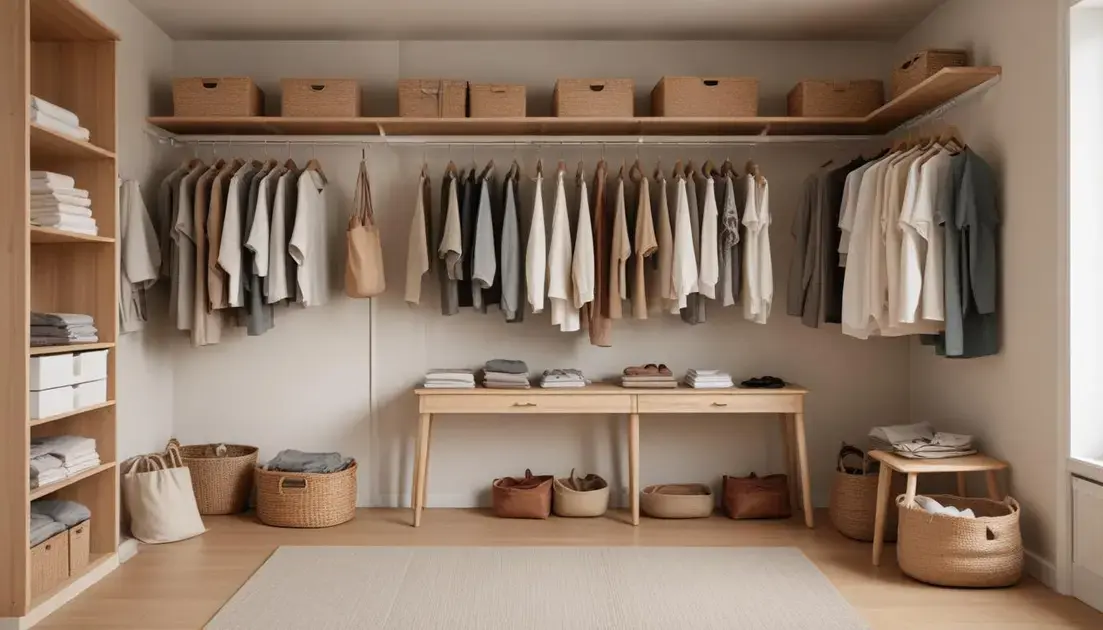
Top Lifestyle Trends in the U.S. 2026: Healthy Living, Remote Work, and Minimalism are prompting many to buy less and live with more purpose. This section explores how to simplify money, closet, and daily habits with clear steps you can use.
Minimal changes often lead to big relief. Start small and keep what truly helps your life.
Simplify your finances
Focus on clarity over complexity. A few simple rules can cut stress and free money for what matters.
- One budget system: track essentials, savings, and fun in three buckets.
- Automate savings: set transfers the day after payday so you don’t miss it.
- Clear recurring charges: review subscriptions quarterly and cancel what you don’t use.
These steps reduce decision load and make spending more intentional. Over time, small savings add up and support larger goals.
Declutter the closet with purpose
Keep items that fit your life and bring value. Donate or sell pieces that are worn, ill-fitting, or never worn.
Build a capsule wardrobe with versatile items. Neutral colors and quality basics make outfit choices faster and shopping smarter.
Habits that support mindful consumption
Change habits rather than relying on willpower alone. Use simple rules to guide buying decisions.
- Wait 48 hours before nonessential purchases to avoid impulse buys.
- One-in, one-out: for each new item, remove one old item from your home.
- Buy quality when it matters: prioritize durable goods for items you use daily.
Small habit shifts lower clutter and often save money. Track your wins in a short journal to see progress.
Mindful consumption also means choosing services and experiences over items when possible. Opt for repairs, rentals, or secondhand finds to extend value and reduce waste.
Pair financial clarity, a lean wardrobe, and steady habits to make minimalism practical, not perfect. Aim for less friction and more freedom in daily choices.
Wellness tech and nutrition: wearables, apps and approachable food trends
Top Lifestyle Trends in the U.S. 2026: Healthy Living, Remote Work, and Minimalism are shaping how people use tech and food to feel better each day. This part looks at practical wellness tech and simple nutrition trends you can use now.
Focus on small, useful tools and easy meals. Try one app or one recipe for a week and see what sticks.
Wearables and simple tracking
Wearables now help with tiny, daily changes. They give gentle nudges, not big demands.
- Step and move reminders to break long sitting stretches into short walks.
- Sleep insights that suggest one habit to change, like consistent bedtimes.
- Short guided breath sessions to lower stress in two to five minutes.
Use devices that offer clear, actionable tips instead of endless metrics. Fewer, meaningful signals beat too much data.
Apps that aid focus and food choices
Good apps simplify decisions. Look for apps that set one daily goal and track just that goal.
- Meal planners that suggest simple swaps and shopping lists.
- Mindful-eating timers to slow down meals and reduce overeating.
- Hydration reminders tied to activity or local weather.
Sync one app with your calendar or wearable to turn reminders into routine. Keep notifications limited to the essentials.
On the nutrition side, trends lean toward flexible, real-life choices. Plant-forward bowls, better snacks, and protein at each meal help energy without strict dieting. Small changes—like adding a vegetable to a familiar dish—are easier to keep than full meal overhauls.
Meal prep can be approachable: cook once, eat three ways. Batch grains, roast a tray of veggies, and mix proteins for quick bowls. This cuts decision time and keeps healthy options within reach.
Combining tech and food for real results
Pair a simple tracker with a modest nutrition move. For example, aim for 7,000 steps daily and one extra serving of vegetables. Track both for two weeks and note how you feel.
- Set one clear metric like steps or sleep hours.
- Pick one food habit such as a daily vegetable or fiber boost.
- Review weekly and adjust small targets rather than switching everything.
Keep changes small and measurable. This builds confidence and shows real benefits without stress.
By choosing a few helpful tools and simple nutrition shifts, you make wellness tech and nutrition work together. Aim for steady improvement and habits that fit your day.
Home design for focus: creating calm, productive and flexible living spaces
Top Lifestyle Trends in the U.S. 2026: Healthy Living, Remote Work, and Minimalism push many people to shape homes that help work and rest. This section shows clear, small changes to make spaces calm and productive.
Think simple layouts, good light, and places that switch from work to relaxing with little effort.
Design principles for focus
Keep the room uncluttered and calm. A few smart choices cut distractions and make focus easier.
- Clear zones: separate work, rest, and play areas even in small rooms.
- Natural light: position the desk near a window for energy and eye comfort.
- Soft color palette: use neutral tones to reduce visual noise.
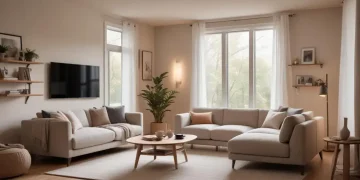
These basics create a steady backdrop for focus. Small anchors, like a rug or a plant, mark each zone without crowding the space.
Flexible furniture helps rooms work harder. Foldable desks, a compact sofa bed, or a movable screen let one room serve multiple needs. Choose pieces that store easily and feel light in the space.
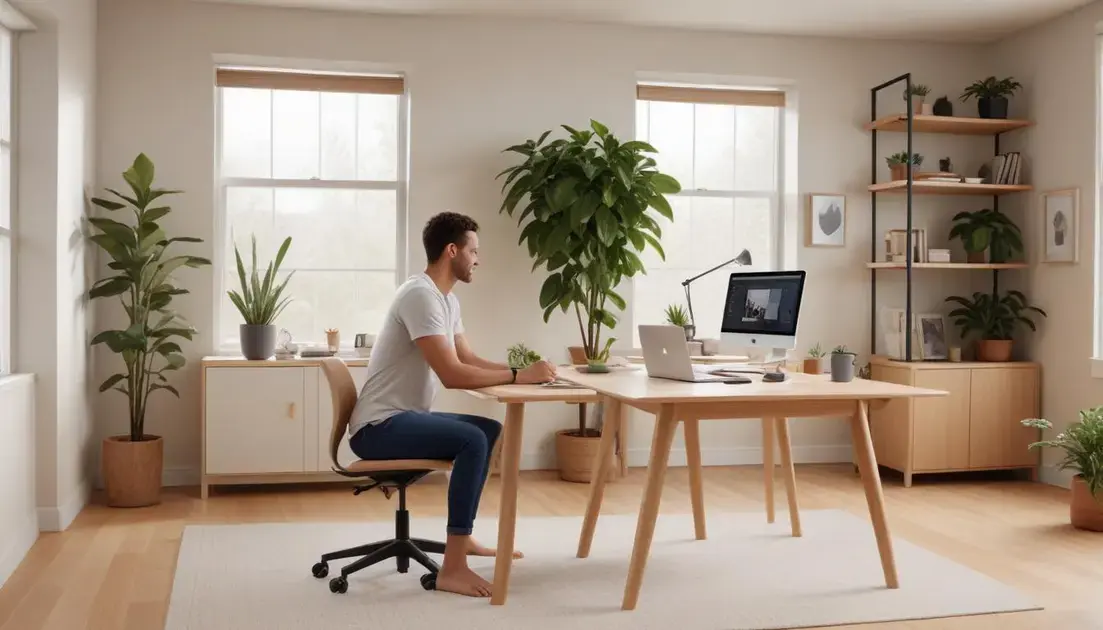
Set up a productive workstation
Make a spot that invites work and signals when it’s time to stop. A well-set desk improves posture and attention.
- Ergonomic seating: a chair with lumbar support for comfort during long tasks.
- Minimal desktop: keep only the tools you use daily to cut visual clutter.
- Good lighting: combine task lamps with soft ambient light to reduce eye strain.
Use cable clips and small trays to hide cords and small items. A clear surface sends a clear message to your brain: work now, relax later.
Sound control matters. Soft textiles, rugs, and curtains absorb noise. If privacy is needed, add a portable screen or noise-cancelling headphones for calls and deep work.
Plants and personal items can boost mood but keep them minimal. One or two plants and a simple clock or photo add warmth without clutter. Rotate items seasonally to keep the space fresh.
Design for easy transitions
Small rituals help move between modes. Close a laptop, switch off a lamp, or roll up a mat to signal the end of work. These acts help your brain shift gears.
- Storage within reach: baskets or boxes to tuck away work gear quickly.
- Dual-purpose pieces: a side table that holds a lamp and a stack of work papers.
- Lighting presets: set brighter lights for work and warmer tones for evening.
Keep habits simple: a five-minute tidy at the end of the day makes mornings calmer. Aim for systems that reduce decisions and support your energy.
By using clear zones, flexible furniture, calming colors, and small routines, your home design can support deep focus and easy shifts between work and rest. Small, steady changes make the biggest difference.
These Top Lifestyle Trends in the U.S. 2026—healthy living, smarter remote work, and mindful minimalism—offer simple steps anyone can try. Start with one small habit, test it for a week, and keep what fits your life. Small, steady changes build more energy, focus, and less clutter over time.
FAQ – Top Lifestyle Trends in the U.S. 2026: Healthy Living, Remote Work, Minimalism
How do I start a healthy habit without feeling overwhelmed?
Pick one small habit, like an extra vegetable or a 5-minute walk, track it for a week, and build gradually.
What is one simple change to improve remote work days?
Create a 5-minute start ritual and set clear end time; use two short movement breaks to maintain focus.
How can I practice minimalism without giving up things I love?
Try the one-in, one-out rule and build a capsule wardrobe or a small budget system to keep choices intentional.
Which wellness tech should I try first?
Choose one simple tool—like a step tracker or a meal-planning app—that gives clear, actionable reminders and fits your routine.